How Biocompatible Zirconia Transforms the Longevity of Modern Smile Reconstructions

Monolithic ceramic materials like biocompatible zirconia offer superior flexural strength and fracture resistance for comprehensive oral rehabilitation. Advanced computer-guided milling crafts dense, non-porous restorations that resist occlusal wear while maintaining harmonious gum integration. These durable properties protect long-term dental investments against mechanical failure and marginal breakdown.

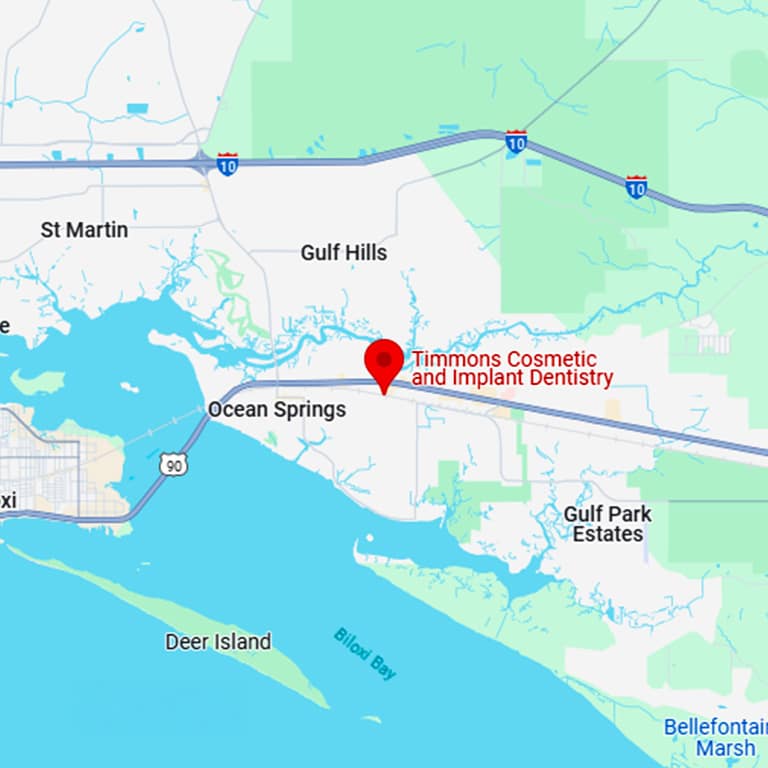
A durable smile reconstruction requires materials that withstand severe chewing forces without chipping or wearing down. At Timmons Cosmetic and Implant Dentistry in Ocean Springs, advanced engineering meets clinical excellence to rebuild compromised teeth. Dr. Lauren L. Timmons, DMD, utilizes biocompatible zirconia, a high-strength ceramic compound that fuses seamlessly with living oral tissue. Crafting restorations through digital smile design (dsd) allows our team to map your bite with anatomical accuracy near the Ocean Springs Road intersection. Local patients seeking permanent solutions enjoy natural tooth aesthetics coupled with incredible structural resilience.

Biomechanical Advantages of High-Density Ceramic Restorations

Zirconia features a crystalline structure that provides flexural strength exceeding one thousand megapascals. Traditional porcelain fused to metal can chip over time, but solid ceramic eliminates layered vulnerability. Precision CAD and CAM technology mills each crown from a solid crystal block, establishing flawless surface smooth margins. Microscopic fit prevents bacterial invasion, preserving underlying alveolar bone density and protecting healthy tooth structure. Biocompatible properties prevent tissue inflammation, allowing natural gums to seal tightly around full-coverage restorations or screw-retained prosthetics, which are implant crowns secured directly by internal clinical screws.

Performance Comparison of Modern Dental Restoration Materials

Material Property Biocompatible Solid Zirconia Traditional Porcelain-Fused-to-Metal Standard Composite Resin
Flexural Strength Exceptional (1000+ MPa) Moderate (400-500 MPa) Low (100-150 MPa)
Chipping Vulnerability Extremely Low (Monolithic Structure) Moderate to High (Porcelain Layering) High over extended time
Gum Tissue Compatibility Exceptional soft-tissue integration Metal margins can cause dark lines Variable tissue response
Biomechanical Longevity Designed for decades of function Requires replacement when porcelain chips Shorter functional lifespan

Core Clinical Benefits of Zirconia Restorations

  • High flexural strength withstands heavy biting forces, protecting your restoration against unexpected fractures or chips.
  • Polished ceramic surface resists plaque accumulation, promoting long-term health in your surrounding gingival architecture.
  • Custom digital milling achieves perfect contours that blend naturally with your surrounding teeth for ideal aesthetic balance.

Common Questions About Zirconia Prosthetic Longevity

Selecting the right material for full smile restoration can feel overwhelming when balancing long-term durability against natural appearance. Patients often want assurance that their new crowns or implant bridges will last for decades without requiring costly repairs. Exploring the answers below will help you understand how advanced ceramic engineering protects your investment.

How long do biocompatible zirconia restorations typically last?

Solid zirconia restorations frequently last twenty years or longer when supported by consistent oral hygiene habits. You can enjoy your favorite foods with complete confidence knowing your new smile is built on military-grade ceramic durability. High material density prevents surface degradation, ensuring your custom teeth maintain structural integrity for life.

Will zirconia crowns look natural next to my remaining teeth?

Modern translucent zirconia reproduces the light-reflecting properties and natural color gradients of genuine tooth enamel. Our clinical team customizes every shade match so your new restoration blends invisibly alongside neighboring teeth. Advanced color shading supports superior bio-emulation, creating seamless transitions between artificial ceramics and biological tissue.

Is zirconia suitable for patients with severe teeth grinding habits?

Zirconia is the ideal choice for individuals who grind their teeth because its monolithic structure resists severe biting wear. Dr. Timmons evaluates your bite pattern carefully to ensure your full jaw movements remain smooth and comfortable. Remarkable wear resistance prevents tooth breakdown while preserving proper jaw alignment over extended years of use.

Schedule Your Zirconia Restoration Consultation in Ocean Springs

Ready to rebuild your smile with long-lasting ceramic engineering near Front Beach? Timmons Cosmetic and Implant Dentistry offers comprehensive reconstructive care designed around your long-term health. Contact our Ocean Springs office today to schedule your private consultation with Dr. Lauren L. Timmons, DMD.

Why Digital Scanning Eliminates the Need for Messy Impressions During Tooth Repair

Modern digital optical scanners capture high-resolution three-dimensional topography of oral tissues without physical impression materials. Advanced optical sensors render precise surface structures in real time. This process improves fit precision, shortens appointment times, and eliminates traditional gag-reflex triggers for reconstructive patients.

Are you tired of biting into thick, gooey putty trays during routine dental care? At Timmons Cosmetic and Implant Dentistry, situated right along the Highway 90 corridor in Ocean Springs, patients experience a far more relaxed approach to structural smile repair. Our clinical team utilizes intraoral digital scanning, a process that captures millions of data points across your teeth using a gentle light wand. Scanning replaces uncomfortable trays while mapping CAD/CAM marginal integrity, the exact microscopic boundary where a crown meets your natural tooth. Visitors traveling from the Shearwater District enjoy quick, painless imaging that respects their time and physical comfort.

How Optical Data Streamlines Biological Restoration

Traditional trays rely on viscoelastic materials that shrink, warp, or form micro-bubbles as they cure. Digital wands capture thousands of high-definition images per second, creating a seamless three-dimensional computer model of your mouth. Computer algorithms calculate precise tissue contours, allowing Dr. Lauren L. Timmons, DMD, to design crowns and bridges with sub-millimeter accuracy. Precise edge fit prevents microscopic bacteria from creeping under new restorations, preserving natural alveolar bone density, the supporting jawbone structure around tooth roots. Patients across the Mississippi coast gain long-lasting restorations without enduring repeated physical impressions.

Comparing Digital Scanning to Traditional Impressions

Parameter Intraoral Digital Scanning Traditional Putty Trays
Impression Comfort Light wand glides smoothly over teeth Heavy trays filled with thick, gooey paste
Capture Speed Complete jaw scan in under two minutes Curing process requires four to six minutes
Fit Precision Sub-millimeter digital accuracy Susceptible to material shrinkage or distortion
Gag Reflex Trigger Minimal to none High risk due to soft palate contact

Key Clinical Benefits of Digital Impression Technology

  • Rapid scanning captures high-resolution digital models within minutes, eliminating long wait times in the dental chair.
  • Superior optical accuracy ensures a perfect crown fit and preserves natural gingival architecture, the delicate shape of healthy gum tissue around teeth.
  • Digital files transmit instantly to milling units, accelerating the overall custom tooth restoration timeline.

Common Questions About Digital Dental Impressions

Many coastal residents feel hesitant about dental visits because they remember gagging on cold tray impression materials during past procedures. Modern technology changes the experience, replacing soft pastes with fast, light measurements. If you wonder how optical scanning fits into your personal treatment plan, review the common questions below.

How long does a digital dental scan take?

A full intraoral scan of your upper and lower arches typically takes less than two minutes to complete. You can easily relax in our peaceful treatment suite while the scanning wand moves smoothly over your teeth without uncomfortable pressure. Swift digital imaging provides instant three-dimensional models, keeping your custom crown process efficient.

Is digital scanning accurate enough for custom crowns and implants?

Digital scanning produces exceptional sub-millimeter precision that exceeds the capabilities of physical impression molds. Our team ensures your final crown fits comfortably from the moment it is placed, saving you from repeated adjustments. High optical fidelity supports ideal bio-emulation, which allows artificial teeth to replicate the exact shape and function of natural enamel.

Will I need to repeat the scan if I move during the procedure?

Small movements do not ruin the image because the optical software continuously recalculates your jaw position in real time. Dr. Timmons can pause and resume the process at any moment without causing you stress or discomfort. Continuous surface tracking maintains complete scan integrity even if a patient needs to pause to swallow or speak.

Schedule Your Digital Scanning Consultation in Ocean Springs

Ready to experience hassle-free dental restoration near the Biloxi Bay Bridge? Timmons Cosmetic and Implant Dentistry combines high-precision digital technology with a welcoming coastal atmosphere. Contact our practice today on Bienville Boulevard to reserve your personal restoration evaluation.

Restoring Permanent Masticatory Power: How Precision Biomechanical Frameworks Stabilize Receding Alveolar Bone

Loss of tooth roots initiates a degenerative biological process that degrades the jaw structure over time. By utilizing advanced jaw scanning and customized prosthetic placement, clinical teams can halt this deterioration. This comprehensive methodology successfully safeguards facial architecture while establishing long-term biting durability for patients.

At Timmons Cosmetic and Implant Dentistry, we bypass the fragmented multi-doctor referral loops to deliver complete implant care under one roof. Chronic tooth loss triggers a rapid reduction in alveolar bone density, meaning the supporting jawbone melts away due to a lack of physical stimulation. Our boutique coastal office addresses this vulnerability by using screw-retained prosthetics, which are highly specialized artificial teeth securely fixed to implants.

Many individuals notice their dentures slipping more frequently each year as the underlying bone foundation shifts. This progressive change alters how people chew and express themselves comfortably.

The Biological Cascade of Bone Resorption and the Value of Unified Care

When a tooth is extracted, the surrounding bone structure loses its functional purpose. Biological signals instruct the body to reabsorb these mineral resources, a reality that compromises the stability of neighboring teeth. Traditional dental implant treatment models often force patients to commute between separate surgical centers and restorative offices along the Highway 90 corridor. This fragmented approach can introduce communication errors regarding the final position of your new teeth. By managing both the surgical placement and the final fabrication in a single facility near the Biloxi Bay Bridge, our practice ensures full alignment of all structural parameters.

Biomechanical Metrics: Zirconia vs. Traditional Hybrid Material Endurance

Selecting the correct material determines how long your restoration will withstand daily chewing pressures. Let us examine how modern materials outperform older alternatives.

Structural Metric Biocompatible Zirconia Acrylic-Titanium Hybrids
Structural Yield Strength Exceptionally high resisting fractures are permanently Moderate with risk of acrylic chipping
Plaque Resistance Non-porous surface prevents bacterial accumulation Porous material prone to staining and biofilm
Marginal Fit Accuracy Micron-level precision via CAD/CAM milling Variable due to manual laboratory casting limits
Long-Term Lifespan Designed to last for multiple decades Requires periodic replacement of acrylic teeth

The Structural Sequence of Structural Alveolar Stabilization

Achieving reliable results requires a highly detailed clinical plan. Our team uses advanced protocols to rebuild your smile systematically.

  • First, high-resolution CBCT volumetric scans capture three-dimensional views of your hidden bone depth.
  • Next, specialized computer software calculates the ideal guided surgical spacing for optimal implant positioning.
  • Then, we closely monitor the critical osseointegration bone-loading windows to ensure the titanium fuses perfectly with your body.
  • Finally, Dr. Timmons installs the definitive screw-retained prosthetic framework to protect your gingival architecture, which refers to the natural shape and health of your gum tissue, while re-establishing total biting balance.

Common Questions About Alveolar Bone Stabilization

Is the healing process after jawbone stabilization painful? Most individuals experience only mild tenderness that is very manageable with standard over-the-counter pain relievers. Our team provides detailed, compassionate guidance to keep you entirely comfortable while your body heals.

How do I know if my jawbone is already receding? Signs of bone loss often include a changing bite, loose teeth, or a visibly collapsing appearance around your lips. We can perform a quick, comfortable digital scan during your visit to evaluate your exact structural status.

Can anyone receive these advanced zirconia frameworks? Good overall health and adequate foundational support are the main requirements for this life-changing treatment. Even if you have experienced previous bone depletion, modern grafting techniques can rebuild your foundation safely.

Schedule Your Alveolar Bone Stabilization Consultation in Ocean Springs

Reclaiming a stable, healthy smile starts with a comprehensive evaluation of your current bone wellness. Our advanced coastal facility near the Highway 90 corridor offers everything you need under one roof. Contact Timmons Cosmetic and Implant Dentistry today to discover how precision biomechanics can safeguard your long-term oral health.